Across rivers, coasts and open water, fish tracking is constantly evolving. New systems are making research more connected and efficient, while making equipment easier to recover. But what do these updates mean for the people using them? We’re here to help clear things up.
NexTrak
Innovasea’s NexTrak platform is the next generation of acoustic telemetry, helping researchers track tagged fish more accurately and over greater distances.
NexTrak offers around 40% greater detection range, up to twice as many detections and improved performance in noisy environments. It also provides richer datasets, helping researchers better understand animal movement and behaviour.
There are currently two NexTrak receiver options: NexTrak R1 and NexTrak AR. NexTrak R1 is a standard fixed receiver designed to detect acoustic tags. NexTrak AR combines the same detection capabilities with an integrated acoustic release function.
RS Aqua’s ARC, or Acoustic Release Canister, is a seabed recovery system compatible with both the previous Innovasea VR2AR and the new NexTrak AR, making it simpler to recover receivers and moorings while leaving the seabed clear.
Open Protocol
Compatibility is essential in fish tracking. After all, fish don’t always stay within the boundaries of a study area.
NexTrak receivers will soon support both Innovasea coding and Open Protocol coding, allowing researchers to detect animals tagged using different systems. Dual-mode receivers can listen for both, helping researchers maximise detections, collaborate across projects and avoid missing valuable movement data.
Open Protocol compatibility is coming to NexTrak receivers later in 2026.
Increased Residency
Tag collisions are one of the biggest limitations of 69kHz acoustic telemetry, particularly in areas containing large numbers of tagged fish.
Increased Residency is an advanced coding scheme developed specifically for NexTrak. By reducing code collisions in high-tag-density environments, it allows researchers to design studies around their scientific objectives rather than the limitations of the technology.
Increased Residency tags can provide up to 10 times more detections in high-residency environments, alongside approximately 40% greater detection range when paired with NexTrak receivers.
Researchers can increase tag populations within a study area without compromising detection performance. Increased Residency also supports shorter transmission delays and improved temporal resolution, even in noisy or acoustically challenging environments.
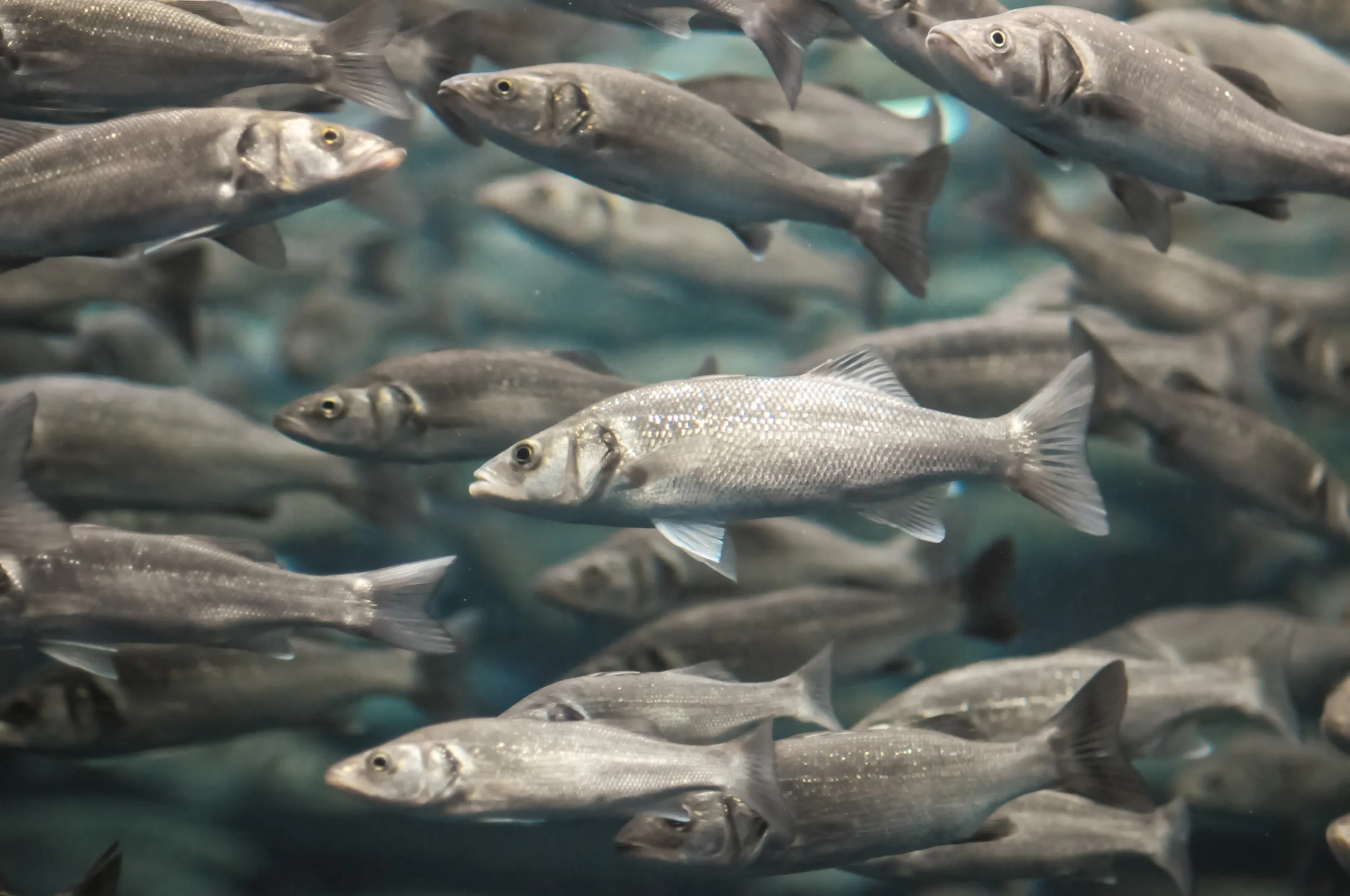
The Fish Tracking Community
Collaboration is just as important as the technology being used.
Innovasea offers Fathom, freely available software that makes it easy to upload detection data, share it with other researchers and contribute to wider tracking networks. This helps researchers contribute to the bigger fish tracking picture and learn from animals detected beyond their own receiver arrays.
RS Aqua also established the UK and Ireland Telemetry Community, or UITC, to encourage knowledge-sharing and best practice across the fish tracking community.
The next Connecting UITC conference will take place in Aberdeen in November 2027, offering researchers the chance to learn, present their work and meet others from across the fish tracking community. Who knows what other studies might be taking place on your doorstep?
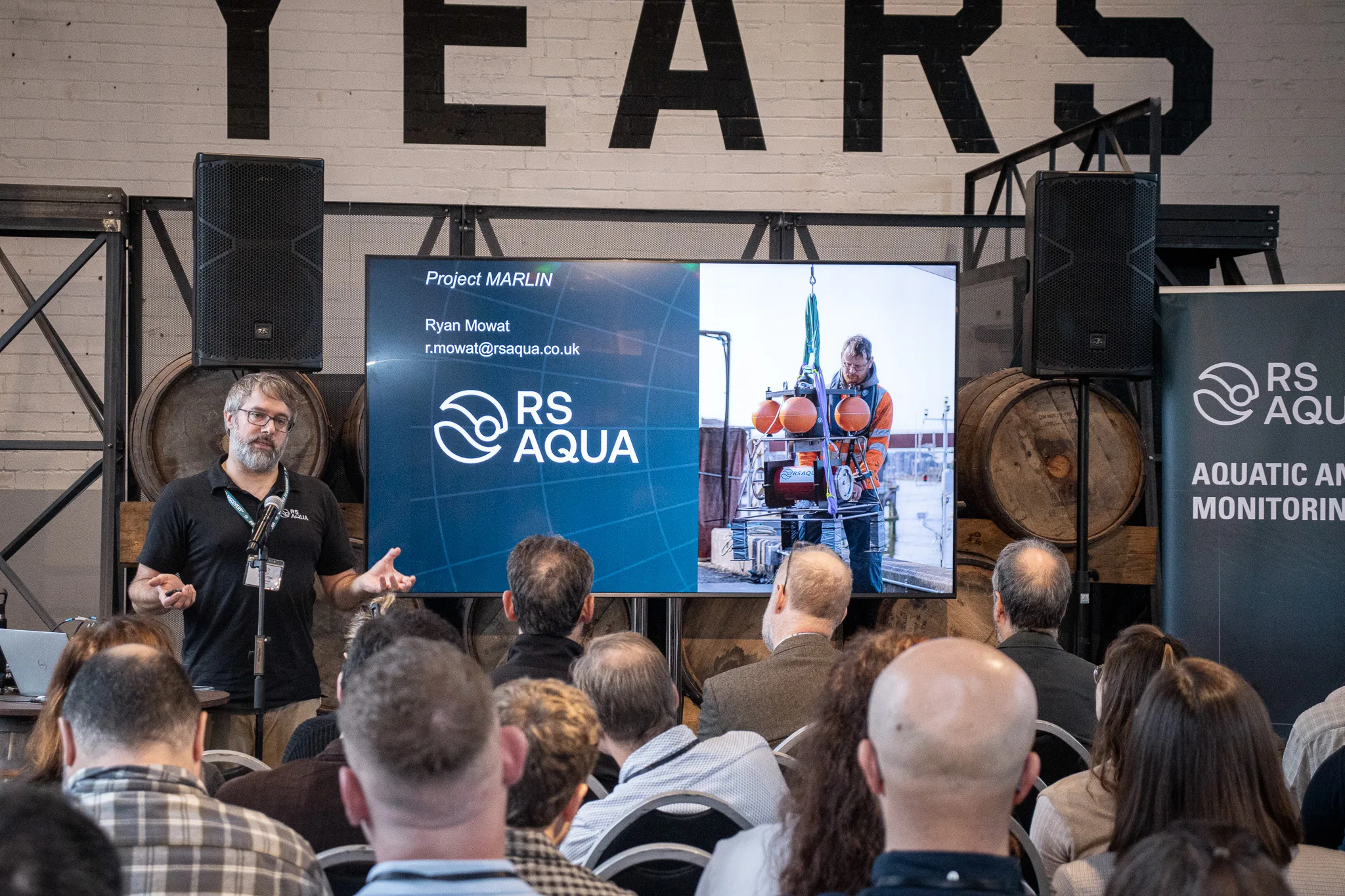
Registration is now open here.
Have a question about NexTrak, Open Protocol, Increased Residency or anything else? Get in touch with our fish tracking team.